

What Causes Tinnitus?
Tinnitus — that persistent ringing, buzzing, hissing, or whooshing sound that only you can hear — is one of the most common hearing-related concerns in Australia. Understanding the factors that can contribute to it is the first step toward managing it with the right professional support.
What Is Tinnitus, Exactly?
Tinnitus (pronounced Tin-EEE-tus or Tin-UH-tus) is the perception of sound when no external sound source is present. It is not a condition in itself but rather a symptom — something the body produces in response to changes in the auditory system or broader health.
The experience varies widely. Some people describe a high-pitched ringing; others hear a low hum, a clicking, a whooshing, or a pulsing rhythm. It can be constant or intermittent, present in one ear or both, and range from mildly noticeable to significantly disruptive.
Tinnitus is common across all age groups, but it becomes more prevalent with age. Australian research suggests that roughly one in five adults will experience tinnitus at some point in their lives, and many manage it successfully once they understand what is contributing to it.
Factors That Can Influence Tinnitus
While tinnitus is associated with changes within the auditory system, a range of other factors can influence how noticeable or bothersome it becomes. These factors may not be the underlying cause of tinnitus, but they can increase its perception or affect how we respond to it.
Below are some of the factors commonly associated with changes in tinnitus symptoms.
Noise Exposure
Prolonged or repeated exposure to loud sound is one of the most well-documented factors associated with tinnitus. This includes workplace noise (construction, manufacturing, agriculture), recreational noise (concerts, power tools, motorsport), and the cumulative effect of years spent in moderately noisy environments.
Even a single, very loud sound event — such as an explosion or a sudden blast of music through headphones — can trigger tinnitus that persists well beyond the original event.
Age-Related Changes to Hearing
As the auditory system changes with age, the hair cells inside the cochlea (the inner ear's sound-sensing organ) can become less responsive. This gradual change, sometimes called age-related hearing loss or presbycusis, is frequently associated with tinnitus.
Many people experience both together — a degree of hearing difficulty and a background tinnitus sound — though the two do not always appear in tandem.
Earwax Buildup
A blockage in the ear canal from excess earwax can muffle sound and, for some people, contribute to a sense of fullness or ringing. This is one of the more straightforward contributing factors to identify, and microsuction earwax removal is a common first step for people experiencing sudden-onset tinnitus alongside a blocked sensation.
Medications
Certain medications can affect the auditory system as a side effect for some people. If you have recently started a new medication and noticed a change in your hearing or the arrival of a tinnitus sound, it is worth raising this with your doctor or prescribing specialist.
This resource cannot provide advice on medications. Always speak with your doctor before adjusting any prescribed treatment.
Pulsatile Tinnitus
Some people experience tinnitus as a rhythmic sound that beats in time with their pulse, rather than a constant tone. This distinct pattern is different from most other forms of tinnitus and always warrants prompt discussion with a GP, who can assess further.
Head, Neck, or Jaw Conditions
Temporomandibular joint (TMJ) disorders, neck tension, and head injuries can all influence the perception of tinnitus. The anatomical relationship between the jaw, neck muscles, and the auditory pathway means that structural or muscular changes in these areas can sometimes trigger or worsen tinnitus.

Can Anyone Help My Tinnitus?
For most people, tinnitus can be successfully managed, and you do not simply have to "learn to live with it". Understanding your tinnitus, what may be influencing it, and the treatment and management options available is an important first step.
Many people find that a comprehensive hearing and tinnitus assessment provides valuable answers and reassurance. At Hearing Help, this includes a detailed assessment of your hearing and tinnitus, followed by a discussion about how tinnitus works, factors that may be exacerbating your symptoms, and the treatment or management options most appropriate for you.
Our comprehensive tinnitus assessment is a two-hour appointment and can be booked online or by calling 07 3214 3641. Medicare rebates are available with a valid referral.
When Should You Seek a Hearing Assessment?
You should consider booking a hearing assessment if:
Tinnitus has been present for more than a few days without a clear short-term cause (such as a loud concert)
The tinnitus is affecting your sleep, concentration, or daily life
The tinnitus is in one ear only, which warrants prompt professional review
You notice it is pulsing in time with your heartbeat
You have also noticed changes in your ability to hear conversations or sounds around you
You experienced a sudden change in hearing alongside the tinnitus
A comprehensive hearing assessment with an audiologist can help identify whether there is an underlying hearing change contributing to the tinnitus, and opens the conversation about appropriate next steps and support options.
How Audiologists Support People With Tinnitus
What an audiologist can do is assess the auditory factors that may be involved, explain what is happening in plain language, and discuss management strategies that may help reduce the impact tinnitus has on daily life.
Common approaches that audiologists may discuss include:
Specialised tinnitus treatments with customised sound stimulation such as Lenire, Oritone, Tinnitus Retraining Therapy (TRT) and Neuromonics.
Sound therapy — using gentle background sounds (fans, white noise, nature sounds) to reduce the contrast between silence and the tinnitus
Hearing aids — where hearing loss is also present, addressing that loss often reduces the prominence of tinnitus for many people
Tinnitus counselling and education — understanding the tinnitus often reduces the distress associated with it
Referral to other practitioners — including GPs, ENT specialists, psychologists, or physiotherapists, depending on contributing factors
Individual outcomes vary significantly, and no single approach works the same way for every person.
Lenire Tinnitus Treatment
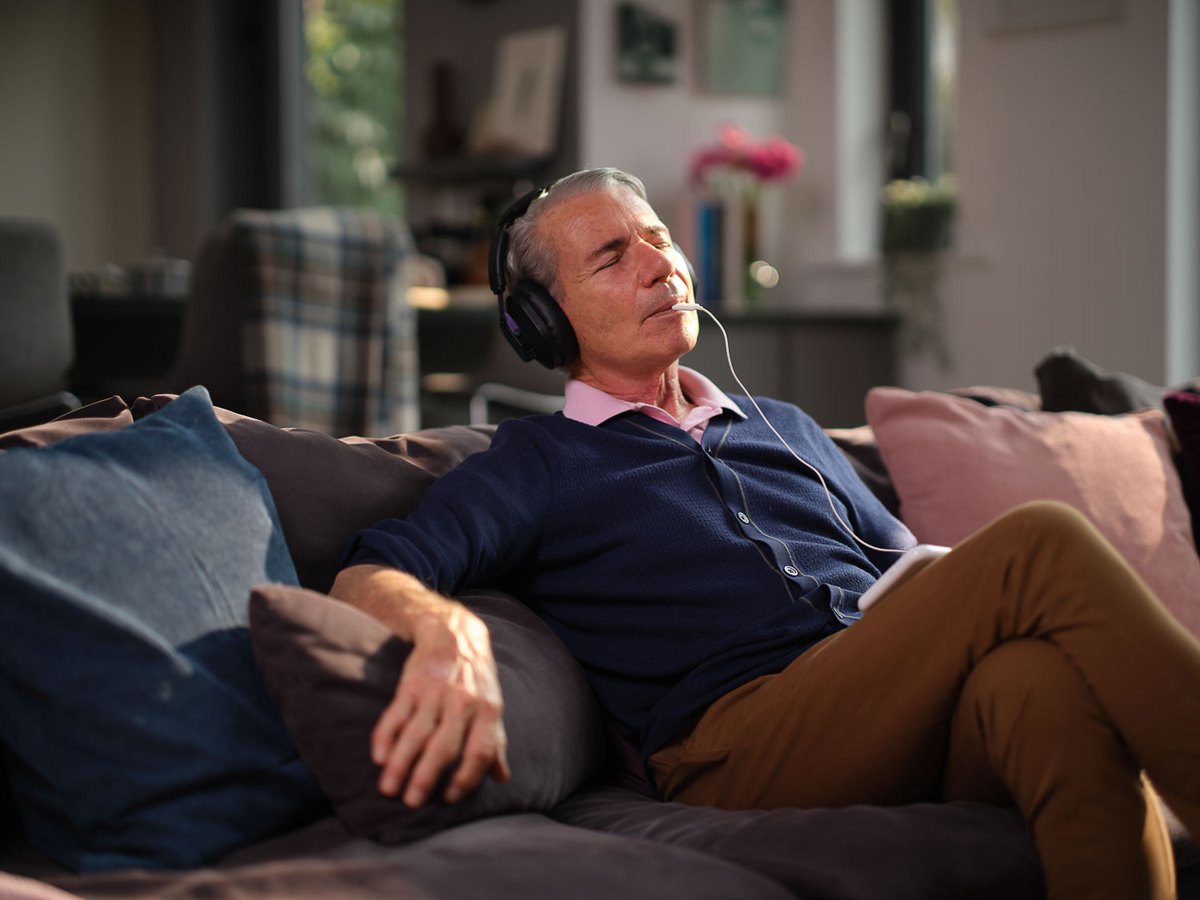
Lenire is a tinnitus treatment device that has been proven in large-scale clinical trials to provide long-term relief from tinnitus. It is used from the comfort of your home with guidance from a qualified healthcare professional. Lenire pairs soothing sounds with gentle pulses to the tongue to reduce your brain’s attention to tinnitus. Hearing Help is proud to be the first clinic in Australia to offer the Lenire tinnitus treatment device.
How Does Lenire Work?
Lenire plays sounds through headphones and provides gentle pulses to the tongue via a Tonguetip. This paired stimulation — known as bimodal neuromodulation — works together to retrain your brain to pay less attention to tinnitus for a sustained period, reducing its impact on your day-to-day life. Your settings are customised by your audiologist to suit your tinnitus after a tinnitus and Lenire suitability assessment.
What Is Lenire?
Lenire is an easy-to-use, at-home device made up of three parts:
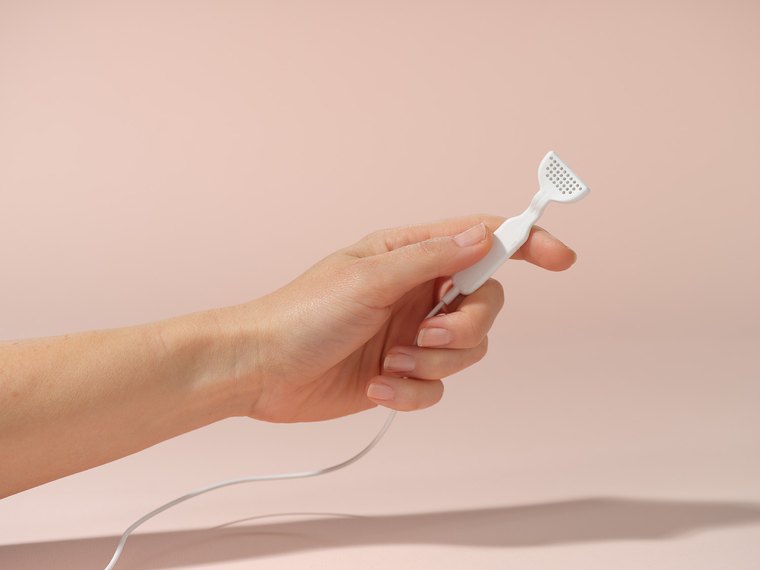 Tonguetip
The Tonguetip features 32 tiny electrodes that deliver mild and safe pulses to the surface of the tongue. It is designed to sit comfortably in the mouth.
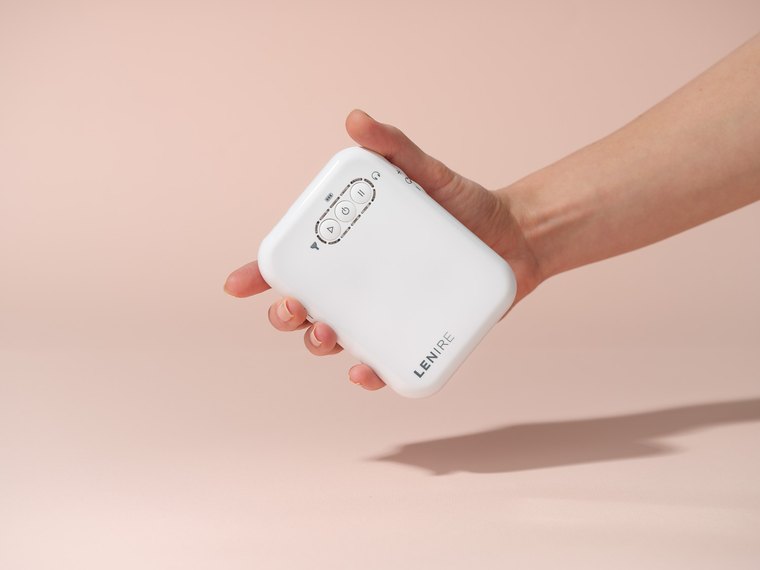 Handheld Controller
Start, pause and resume a session, adjust the sound volume, and adjust the tongue-stimulation intensity.
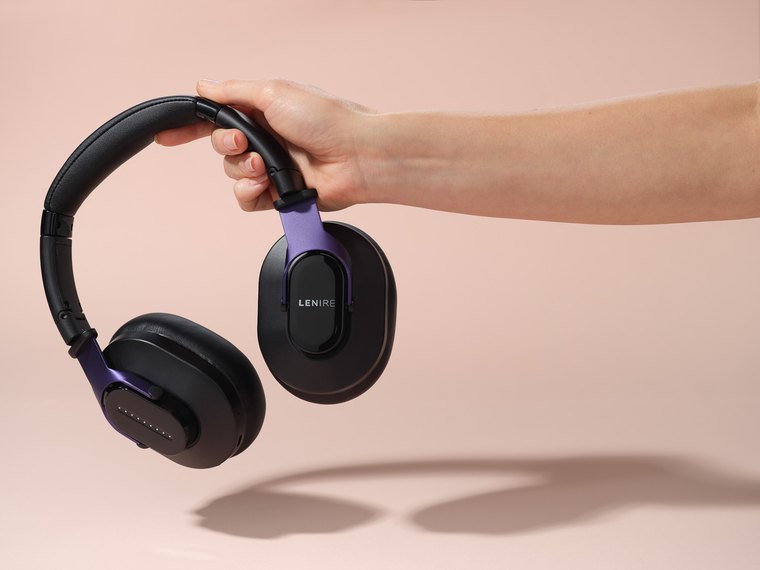 Bluetooth Headphones
Wireless headphones, included with Lenire, deliver customised audio to activate the auditory nerve to the brain.
Proven Relief From Tinnitus That Lasts
Lenire has been proven effective across three large-scale clinical trials with more than 500 tinnitus patients:
- Trial 1 (TENT-A1): 80% of patients experienced a significant reduction in tinnitus severity that was sustained for at least 12 months.
- Trial 2 (TENT-A2): 91% of patients reported a significant reduction that was sustained for at least 12 months.
- Trial 3 (TENT-A3 controlled trial): 70% of patients with moderate or worse tinnitus had clinically meaningful relief with Lenire, compared with little relief from sound-only therapy.
- Real-world patients: Patients treated at independent clinics are achieving results consistent with the clinical trials, with 9 out of 10 reporting clinically significant relief.
To find out whether Lenire is suitable for you, book a comprehensive hearing and tinnitus assessment with our audiologists on 07 3214 3641 or online.
A Note for Family Members
If someone you care about has mentioned ringing in their ears, it is worth encouraging them to have their hearing checked. A supportive conversation often makes all the difference in prompting someone to seek help.
Book a Comprehensive Hearing and Tinnitus Assessment on the Redcliffe Peninsula
If you have been noticing a ringing, buzzing, or other persistent sound, Hearing Help is here to listen. As an independent audiology clinic serving the Redcliffe Peninsula and Moreton Bay region, we offer comprehensive hearing assessments in a welcoming, unhurried environment.
There is no pressure and no obligation. Just a conversation about what you are experiencing and what options may be available to you.
Get in touch with Hearing Help today to book your assessment.
/ Your Hearing Journey /
Caring for your hearing, every step of the way
Book
- No referral needed
- Choose a time that suits
- Quick and easy
Assess
- Comprehensive hearing test
- Plain-English results
- No pressure, ever
Discuss
- All major brands considered
- Matched to your lifestyle
- Impartial, independent advice
Support
- Fitting and fine-tuning
- Repairs and maintenance
- Ongoing aftercare
/ Frequently Asked Questions /
A Closer Look At
What Causes Tinnitus?

Common questions
Can tinnitus go away?
Yes. For some people tinnitus is temporary and resolves completely, while for others it may persist or fluctuate over time. Even when tinnitus does not disappear entirely, how noticeable or bothersome it is can change significantly. Understanding your tinnitus and the factors that may be exacerbating it can be an important part of reducing its impact.
Is tinnitus related to hearing loss?
Tinnitus is strongly associated with changes within the hearing system, and hearing loss is commonly identified in people experiencing tinnitus. However, you can have tinnitus even when a standard hearing test appears to be within normal limits. A comprehensive hearing and tinnitus assessment can provide important information about how your auditory system is functioning and help guide appropriate tinnitus management.
Can tinnitus be a sign of something more serious?
Most tinnitus is not associated with a serious medical condition. However, some types of tinnitus warrant further investigation. This includes (but is not limited to) tinnitus that begins suddenly, occurs predominantly in one ear, is associated with a sudden change in hearing, or sounds like a pulse or heartbeat. If your audiologist identifies anything requiring medical investigation, they will discuss the appropriate referral pathway with you.
Do I need a GP referral for a tinnitus assessment?
No. You can book a tinnitus assessment directly with Hearing Help without a referral. However, if you have a valid referral from your GP or medical specialist, you may be eligible for a Medicare rebate. If you are unsure, our team can explain this when you call.
Is tinnitus covered by the Australian Government Hearing Services Program?
If you are eligible for the Australian Government Hearing Services Program, some aspects of your hearing and tinnitus care may be covered under the program. The services available will depend on your individual circumstances and program eligibility. Our audiologists can explain what is available to you and whether additional tinnitus assessment or treatment is recommended.
Book a hearing test
No referral needed. Newport Marketplace, Tenancy M01, 10 Lakeview Promenade, Newport QLD 4020.