

Cochlear Implants Assessments
What is a Cochlear Implant Assessment?
A cochlear implant assessment is a comprehensive evaluation process to determine whether a person with significant hearing loss is a suitable candidate for a cochlear implant. This assessment is typically carried out by a team of specialists, including audiologists, otolaryngologists (ENT doctors), and speech-language pathologists. The goal is to evaluate the individual’s hearing loss, overall health, and ability to benefit from a cochlear implant.
During the assessment, several tests and evaluations are conducted. Audiometric tests are performed to assess the degree and type of hearing loss, and speech perception tests measure the person’s ability to understand speech with their current hearing aids or other devices. Medical evaluations, including imaging studies arranged by the medical team, are used to examine the inner ear’s structure and ensure there are no anatomical issues that would prevent implantation. Additionally, the individual’s overall health and medical history are reviewed to ensure they can safely undergo surgery. The assessment also includes counseling to ensure that the patient and their family understand the potential benefits and limitations of cochlear implants, as well as the commitment required for post-implantation rehabilitation.
Steps in a Cochlear Implant Assessment
Medical Evaluation
A medical evaluation is a comprehensive assessment by a healthcare professional that reviews medical history, conducts a physical examination, and performs tests to diagnose conditions and plan treatments.
Imaging Studies
Imaging studies arranged by the medical team are used in cochlear implant assessments to provide detailed images of the inner ear, helping determine the cochlea’s and auditory nerve’s anatomy and condition and identifying any anomalies that could affect implant placement and function.
Speech and Language Evaluation
A Speech and Language Evaluation, conducted by a speech-language pathologist, diagnoses speech, language, and communication disorders through tests, observations, and interviews.
Hearing Tests
A cochlear implant assessment includes audiometric tests to evaluate hearing loss extent, speech recognition, and auditory nerve functionality to determine implant suitability.
Psychological and Educational Assessment
A Psychological and Educational Assessment in a cochlear implant evaluation determines the individual’s cognitive, emotional, and educational status to ensure optimal post-implantation outcomes.
Trial Period with Hearing Aids
A trial period with hearing aids allows individuals to assess their effectiveness in improving hearing and speech understanding, helping determine if they may benefit from hearing aids alone or need a cochlear implant.
Criteria for Candidacy
Severity of Hearing Loss
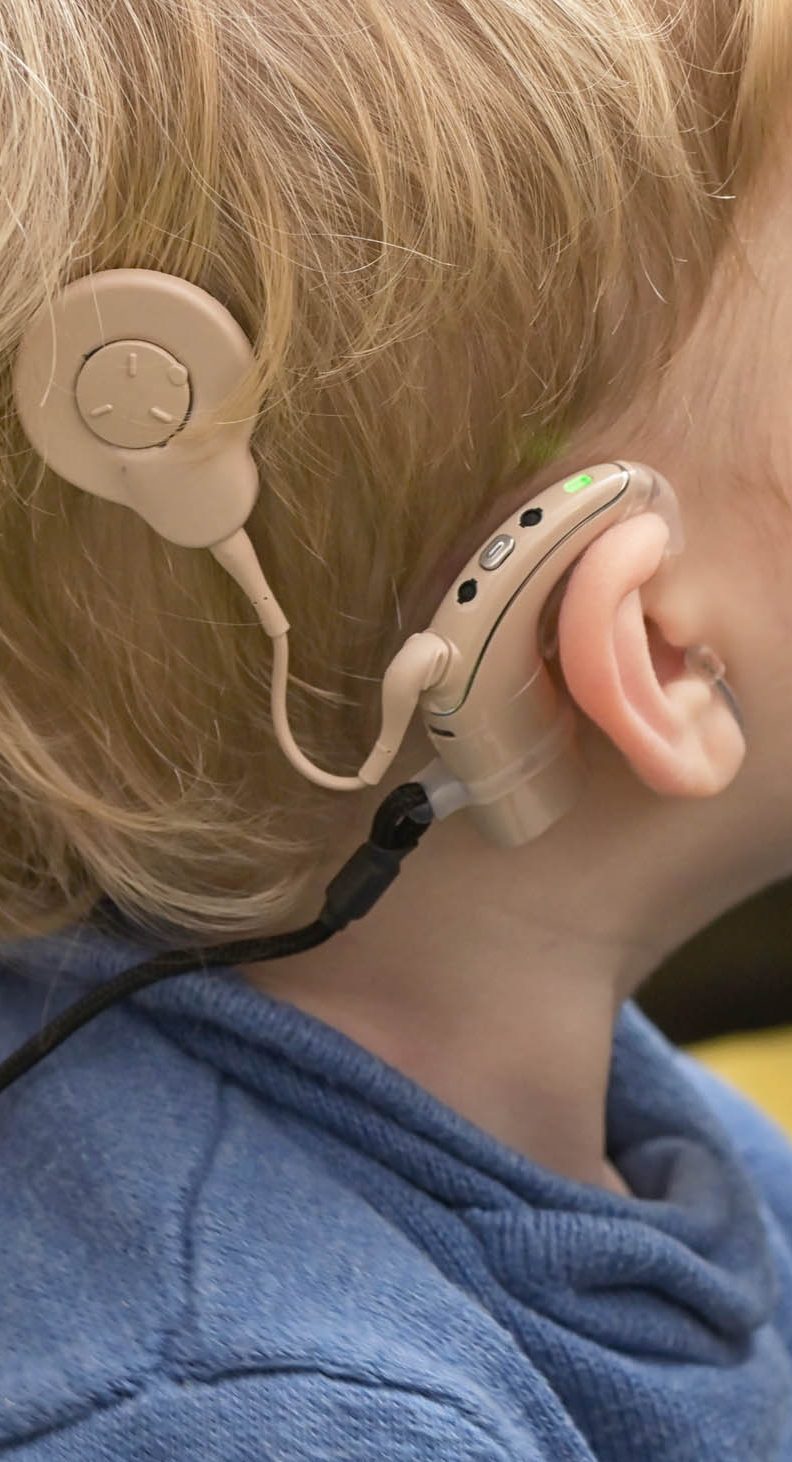
Severity of hearing loss is a key criterion in cochlear implant candidacy. Candidates typically have severe to profound sensorineural hearing loss, meaning they cannot benefit adequately from hearing aids due to limited residual hearing. This level of hearing impairment significantly impacts their ability to understand speech, even with amplification.
Age Considerations
Age considerations in cochlear implant assessment involve evaluating candidates across different age groups to ensure optimal outcomes. For young children, early implantation (typically before the age of 2) is crucial for speech and language development, while for adults and older individuals, candidacy is based on their ability to benefit from the implant despite possibly longer durations of profound hearing loss.
Motivation and Expectations
Motivation and expectations play a critical role in the cochlear implant assessment and candidacy criteria. Candidates must demonstrate a strong commitment to the process, including the willingness to participate in post-implant rehabilitation, and have realistic expectations about the outcomes, understanding that cochlear implants can significantly improve hearing and communication but may not restore normal hearing.
/ Your Hearing Journey /
Caring for your hearing, every step of the way
Book
- No referral needed
- Choose a time that suits
- Quick and easy
Assess
- Comprehensive hearing test
- Plain-English results
- No pressure, ever
Discuss
- All major brands considered
- Matched to your lifestyle
- Impartial, independent advice
Support
- Fitting and fine-tuning
- Repairs and maintenance
- Ongoing aftercare
/ Frequently Asked Questions /
A Closer Look At
Cochlear Implants Assessments

Common questions
What is a cochlear implant candidacy assessment?
It's an evaluation to help determine whether someone with significant hearing loss may benefit from a cochlear implant, as part of a broader specialist pathway.
Who might be a candidate?
Cochlear implants are generally considered for people with severe to profound hearing loss who get limited benefit from conventional hearing aids. An assessment helps clarify individual suitability.
Do you provide aftercare?
We can support aspects of mapping and aftercare as part of your ongoing hearing care. Contact us to discuss your situation.
How is candidacy for a cochlear implant determined?
It's determined through an evaluation of your hearing and how much benefit you get from hearing aids, as part of a broader specialist pathway.
Should I consider an assessment if hearing aids aren't enough?
If well-fitted hearing aids no longer give you enough benefit, a candidacy assessment can help clarify whether other options may suit you.
What does cochlear implant aftercare involve?
Aftercare includes mapping and adjusting the device and ongoing support to help you get the most from it. We can support aspects of this care.
Do you work alongside implant clinics?
Cochlear implant care is part of a broader specialist pathway. Contact us to discuss how we can support your situation.
Book a hearing test
No referral needed. Newport Marketplace, Tenancy M01, 10 Lakeview Promenade, Newport QLD 4020.