
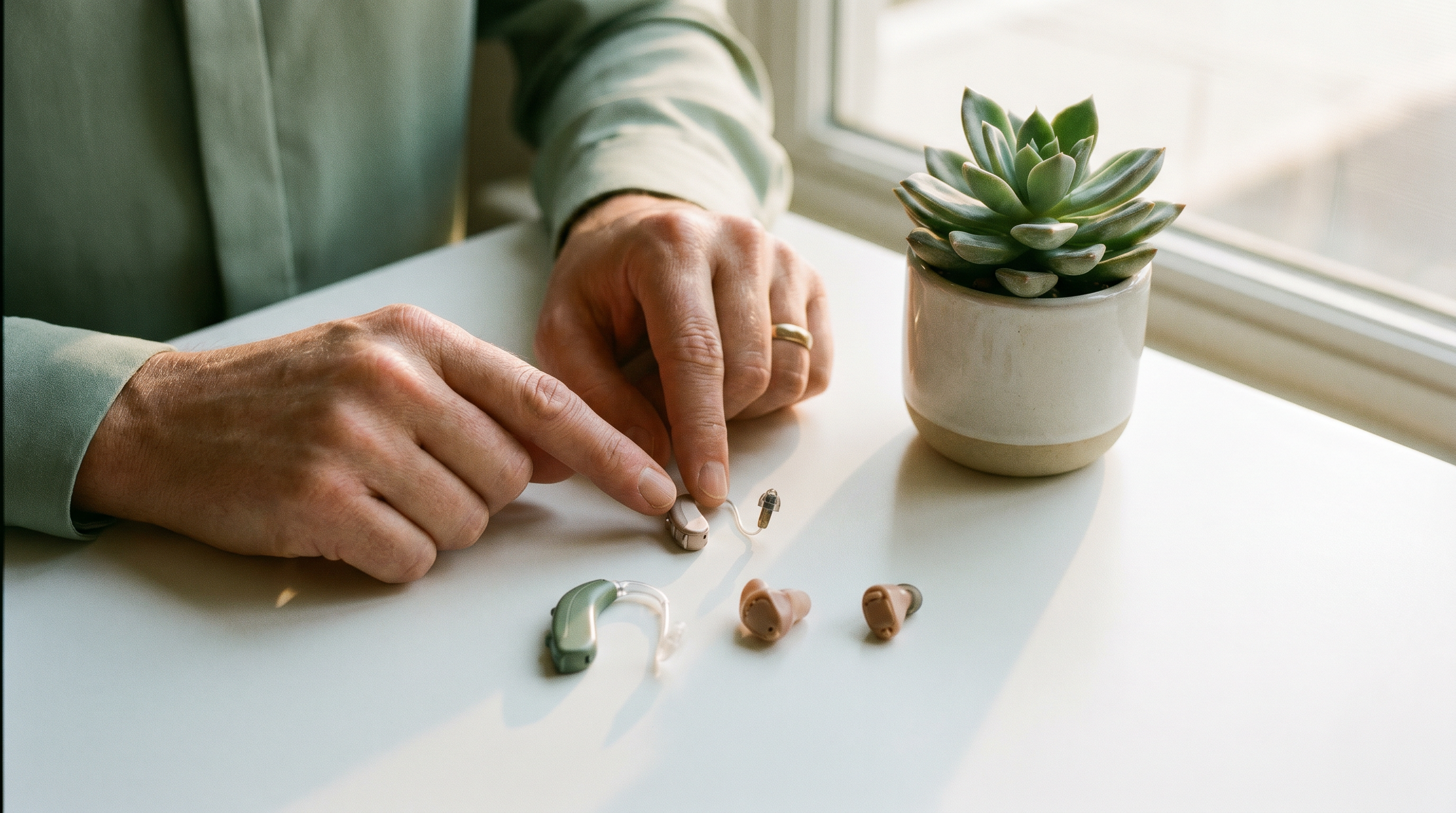
Walk into any search engine and type "best hearing aid" and you'll be met with a flood of reviews, sponsored articles, and brand comparisons — each one quietly nudging you towards a particular choice. It can feel overwhelming, especially when you're not entirely sure what you need in the first place.
Here's the thing: no single hearing aid brand suits everyone. The right device for your neighbour, your sister, or the person in the magazine ad may not be the right device for you. That's not marketing spin — it's audiology.
As an independent clinic, Hearing Help is not aligned with any single manufacturer. That means our audiologists can look across the full market and recommend what genuinely suits each individual, rather than what's on a preferred supplier list.
The Major Brands — A Brief Overview
Several manufacturers supply the Australian market, and all of them produce quality devices with different strengths. Here's a plain-English look at some of the brands you may encounter:
Phonak (Switzerland) is one of the most widely distributed brands in Australia. Known for strong Bluetooth connectivity and a product called Roger technology, which can help in noisy environments. A popular choice for people who are frequently in challenging listening situations.
Oticon (Denmark) takes what they describe as a "BrainHearing" approach — the idea that hearing aids should support how the brain naturally processes sound, rather than simply amplifying noise. Their devices tend to be popular among people who want a natural listening experience.
ReSound (Denmark) has strong integration with Apple devices and a well-regarded companion app, making it a practical option for iPhone users who want to stream audio directly or fine-tune their settings on the go.
Signia (Germany) includes a feature called Own Voice Processing, which helps the wearer's own voice sound more natural — something many new hearing aid users notice takes adjustment. Worth discussing if you find the sound of your own voice distracting.
Widex (Denmark) is often mentioned by people who prioritise sound quality, particularly for music. Their approach focuses on delivering sound that feels natural and unprocessed.
Starkey (USA) has invested significantly in "healthable" features — built-in sensors that can track physical activity and, in some models, detect falls. These features may or may not be relevant to your priorities.
This is not an exhaustive list, and it's not a ranking. Each brand has multiple product lines at different price points, and what matters most is how a device performs for your specific hearing profile.
What Actually Makes the Difference?
The brand name on the device is, in many ways, one of the smaller factors in how well a hearing aid works for you. The things that tend to matter more include:
Your audiogram. The shape and degree of your hearing loss determines which devices and features are technically appropriate. Not every device is designed for every type of loss.
Your lifestyle. Do you spend time in noisy restaurants? Attend family gatherings? Watch a lot of television? Work in a quiet office? The environments you're in most often should shape the technology you choose.
Your dexterity and vision. Some hearing aids have tiny batteries that need to be changed regularly. Others are rechargeable. Some have small physical controls; others are managed entirely through a smartphone app. Practicality matters, especially over years of daily use.
Your budget. Hearing aids range considerably in price. An independent audiologist can help you understand which features genuinely add value for your situation — and which are extras you may not need. Government programs such as the Hearing Services Program may assist eligible pensioners and veterans with funding; see our related article for details.
The fitting and follow-up. This is the factor that brand comparisons almost never mention, but it may be the most important of all. A premium device that's poorly fitted, or that comes with no aftercare, may perform worse in daily life than a mid-range device that's been carefully tuned and adjusted over several appointments.
Why an Independent Clinic Sees Things Differently
Clinics that are aligned with particular brands — or owned by a manufacturer — have a natural tendency to recommend the products they carry. That's not necessarily dishonest, but it does mean your options may be narrowed before you've even sat down.
At an independent clinic like Hearing Help, the starting point is your hearing assessment and your lifestyle. Brand selection follows from there. If one manufacturer's technology genuinely suits your situation better, that's what will be recommended. If a different brand's approach to noise reduction is more appropriate for how you live, the conversation reflects that.
The goal is a good outcome for you, not a particular product pushed through the door.
Frequently Asked Questions
Do more expensive hearing aids always perform better? Not necessarily. Higher-end devices typically include more automatic features and processing, which can help in complex listening environments. But if your lifestyle is relatively quiet, those features may not add meaningful benefit. Your audiologist can help you understand the trade-offs.
Can I try hearing aids before committing? Many clinics, including Hearing Help, offer trial periods so you can experience how a device performs in your actual daily life before making a final decision. Ask about this when you book.
What if I already have a brand in mind? That's a perfectly reasonable starting point. A good audiologist will take your preferences seriously and explain whether the device you're interested in suits your hearing profile — and if not, why not.
How often do hearing aids need to be replaced? Devices typically last around five to seven years, though this varies. Regular servicing and cleaning extend their life considerably.
Finding the Right Fit
The right hearing aid is the one that works for your ears, your lifestyle, and your everyday routine — fitted and supported by someone who knows you as an individual. If you're on the Redcliffe Peninsula or in the Moreton Bay region and you'd like an impartial conversation about your options, we're happy to help.